How PPC Automation Tools Maximize ROI
PPC automation has shifted from a convenience to the backbone of profitable paid media. Marketers running Google Ads, Microsoft Ads, and Meta campaigns now lean on AI-powered bid management, cross-platform optimization, and intelligent budget allocation to squeeze more revenue from every click. The payoff is real: lower cost per acquisition, faster reaction to market shifts, and audits that surface waste in minutes instead of days. If you want fewer hours in spreadsheets and a healthier return on ad spend, the next generation of PPC tools is where that gain lives. Read on to see how AI audits and one-click optimization rebuild ROI from the ground up.
What is PPC automation?
PPC automation is the use of software, machine learning, and rules-based logic to handle bid adjustments, budget pacing, keyword management, ad rotation, and performance reporting without manual intervention. Modern platforms combine AI-driven decision-making with cross-channel data, so a single tool can manage Google Ads, Microsoft Ads, Meta, Amazon, and shopping feeds from one dashboard. Repetitive checks that once consumed entire afternoons — negative keyword sweeps, bid recalibration, quality score reviews — run continuously in the background. The technology pulls signals from conversion data, auction insights, device performance, geography, and time of day, then adjusts campaigns in real time. Strategists keep control over creative direction, targeting strategy, and budget ceilings, while the software executes the high-volume, math-heavy work. The result is a workflow where humans handle strategy and automation handles scale.
How PPC automation improves ROI
Automated PPC and AI-driven strategies reduce wasted spend, sharpen targeting, and lift campaign performance by reacting to auction signals faster than any human team. Bid algorithms recalculate thousands of times per day, raising offers on high-intent searches and pulling back on queries that historically convert poorly. Budget pacing tools redistribute spend hourly between top-performing ad groups, so dollars flow toward the keywords actually producing revenue. Automated audits flag account issues — broken URLs, duplicate keywords, low quality scores, ad disapprovals — before they drain budget for weeks. Smart bidding strategies such as Target CPA and Target ROAS use conversion modeling to hit profit goals even when traffic patterns shift. The cumulative effect is measurable: lower CPCs on qualified clicks, higher conversion rates, and faster campaign learning periods that compress time-to-profit.
Key features of PPC automation tools
The strongest PPC automation platforms share a core feature set built around AI bid management, cross-platform campaign optimization, and intelligent budget allocation. Expect automated rules engines that trigger pauses, bid changes, or budget shifts when KPIs cross defined thresholds. AI-powered audit modules scan accounts for structural issues, wasted spend, conflicting keywords, and missed opportunities, then return a prioritized action list. Smart bidding integrations connect directly to Google and Microsoft auction systems, while cross-channel dashboards consolidate Meta, TikTok, Amazon, and shopping data into unified reports. Predictive analytics forecast near-term performance based on historical patterns and seasonality. Negative keyword automation, search term mining, and ad copy testing run on schedules, while alerting systems push Slack or email notifications the moment anomalies appear. Together, these features turn a noisy account into a self-correcting system.
One-click campaign optimization: Is it effective?
One-click optimization is effective when the underlying account is properly structured, conversion tracking is accurate, and the tool has at least 30 days of clean data to learn from. The feature works by bundling dozens of recommended changes — bid adjustments, budget reallocations, negative keyword additions, ad pauses — into a single approval action. Strategists review the AI's proposed changes, accept or override individual items, then apply them across the account in seconds. For accounts spending five figures monthly, this compresses what used to be a full-day optimization session into roughly fifteen minutes. The caveat: garbage in, garbage out. If conversion tracking is broken or campaign goals are misconfigured, one-click changes will optimize toward the wrong outcome. Used on a healthy account, it consistently lifts ROAS while freeing strategist hours for creative and testing work.
Comparing top PPC tools in 2026
The 2026 PPC automation landscape is led by tools that combine AI bid management with cross-platform reach and free or freemium entry tiers.
| Tool | Best For | Key Strength |
|---|---|---|
| Adalysis | Mid-market Google and Microsoft Ads | AI audits, A/B ad testing, quality score monitoring |
| Ryze AI | Google Shopping and e-commerce | Cross-platform optimization, automated feed management |
| Fluency | Agencies managing high-volume accounts | Scaled campaign automation, ROI-focused reporting |
| Optmyzr | Freelancers and SMB accounts | Rule engines, one-click optimization, shopping tools |
| Google Smart Bidding | Native Google Ads users | Target CPA, Target ROAS, free with the platform |
Adalysis leads on audit depth and ad testing rigor, surfacing waste that competitors miss. Ryze AI dominates Google Shopping with feed-level intelligence and budget allocation across product groups. Fluency suits agencies needing scale, automating thousands of campaigns with consistent guardrails. Pick the platform whose strengths match your channel mix and account size, then let the automation compound your returns.
Get 3x more revenue from the same ad spend.
Let our onboarding experts show you the power of AI-driven PPC optimization.
Start scaling today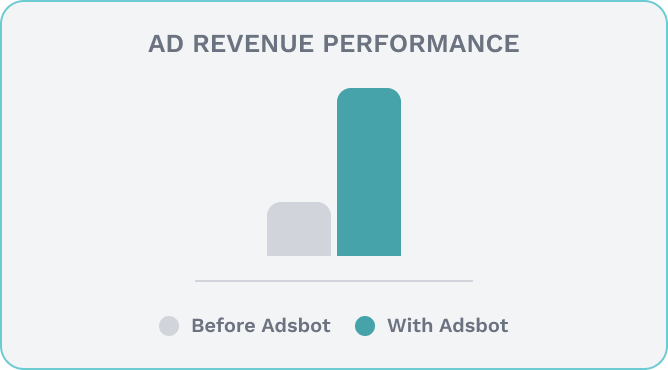
Popular Posts
-
 How Many Keywords Should Be In an Ad Group in Google Ads?
For the vast majority of modern campaigns, the ideal number…
Read more -
 Google Ads Script for Dummies: An Introduction
Imagine you have an e-commerce website that sells licensed superhero…
Read more -
Google Ads Sitelink Character Limits
Your Google Ads are cutting off in the middle of…
Read more -
What Is Conversion Value in Google Ads?
What if you could put a price tag on every…
Read more

Register for our Free 14-day Trial now!
No credit card required, cancel anytime.